By Propzine – Bengaluru’s Trusted PropTech Platform
Real estate investment is one of the most significant financial decisions individuals and businesses make, and a well-structured real estate due diligence checklist is essential to ensuring a secure transaction. In India’s fast-evolving property market—especially in high-demand cities like Bengaluru—buyers often face challenges related to incomplete legal documentation, misleading developer claims, and inaccurate valuations. Due diligence helps eliminate these risks by carefully examining a property’s legal, financial, and physical standing. Proptech innovations, including AI-based title checks and automated market analytics, now make this process faster, more transparent, and far more reliable for homebuyers and investors.
Legal Due Diligence: Verifying Title, Ownership & Compliance
The cornerstone of any property legal verification is confirming that the seller holds a clear, marketable title free from disputes or claims. Buyers should begin by examining the title deed, ensuring it is registered under the correct owner and free from restrictive covenants. An Encumbrance Certificate (EC) is equally important as it highlights mortgages, liens, or litigations associated with the property over a defined period. For projects under construction, verifying RERA registration is mandatory, as it confirms the legality of land ownership, project approvals, timelines, sanctioned plans, and the developer’s financial discipline under the Real Estate (Regulation and Development) Act. Zoning compliance is another critical pillar, as properties must align with local land-use regulations, building bylaws, and master plan classifications, especially in fast-developing Bengaluru corridors.
Financial Due Diligence: Assessing Valuation, Tax Records & Seller Credibility
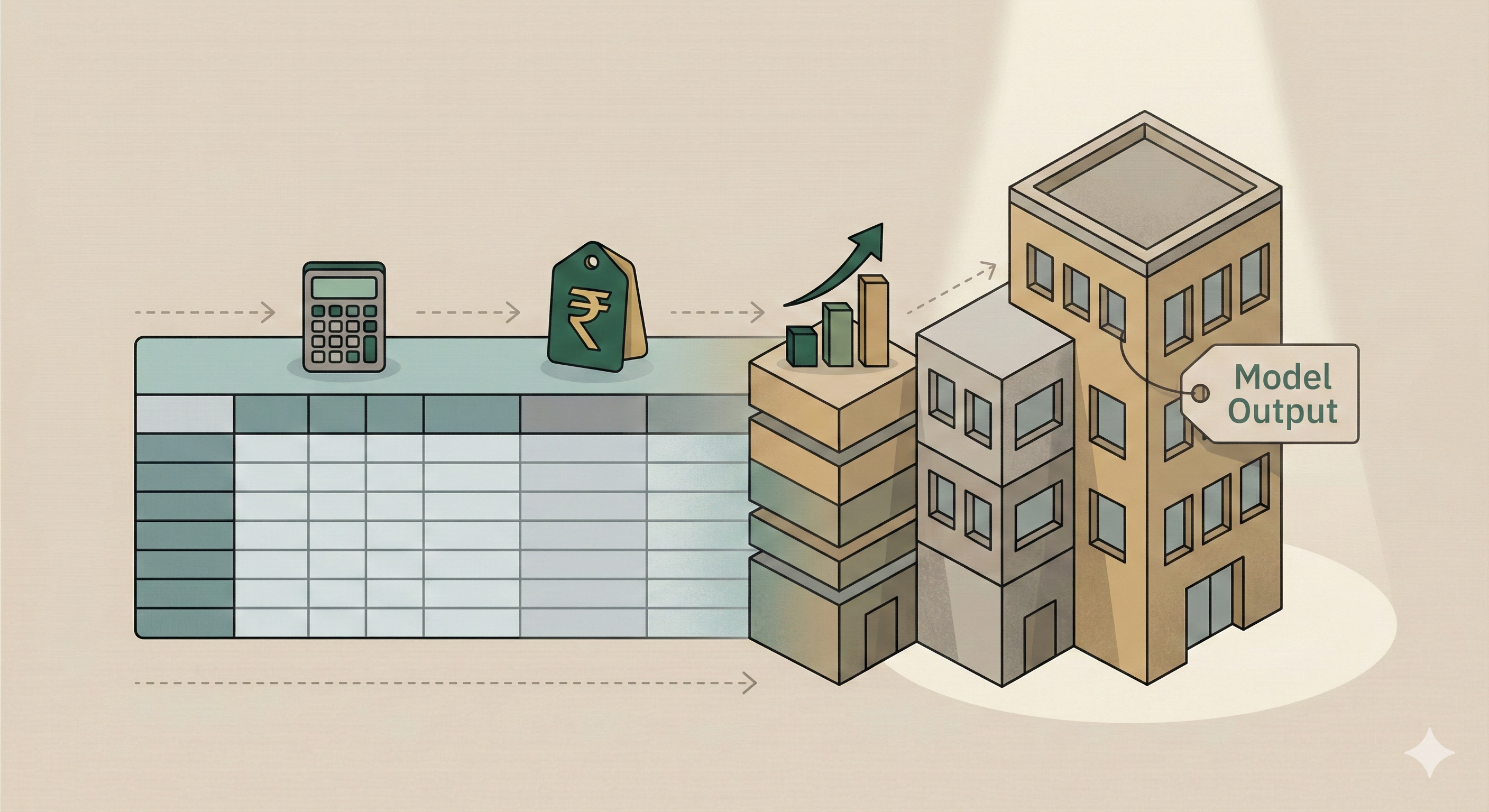
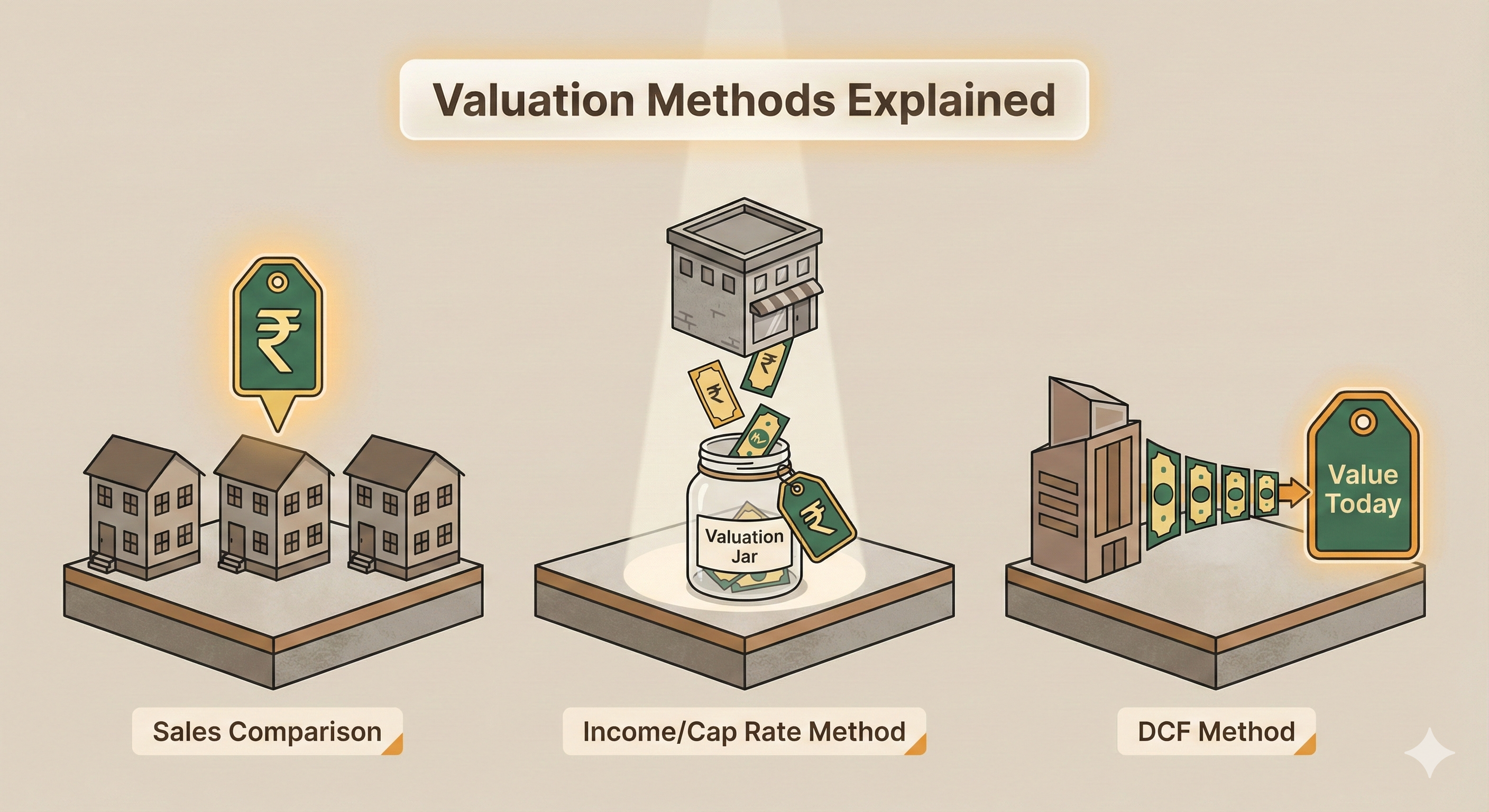
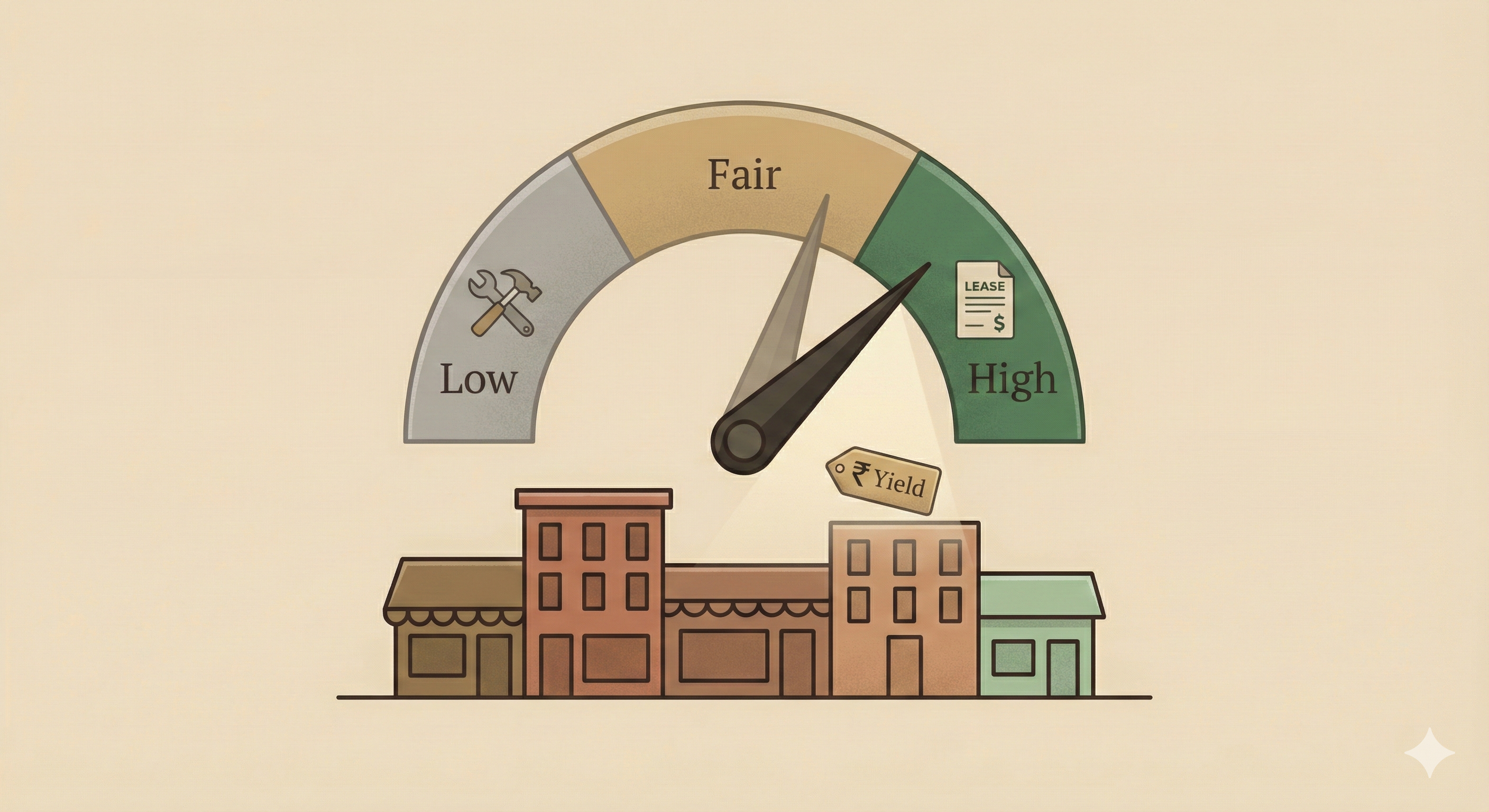
Financial due diligence goes beyond the purchase price and focuses on the economic realities that determine the property’s true worth. Buyers should validate the property tax receipts, ensuring taxes have been paid regularly without outstanding dues. A comparison with market valuations using local registries, bank-approved evaluators, or proptech valuation tools helps confirm whether the asking price is justified. In the case of income-generating properties, examining rental history, lease agreements, occupancy rates, and cash flow statements allows buyers to understand long-term revenue potential. Evaluating the seller's or developer’s financial health is equally crucial; creditworthiness issues may lead to delayed possession, unfulfilled promises, or future disputes. For NRI buyers and institutional investors, financial insights are especially critical as they directly influence yield projections and return on investment.
Physical Due Diligence: Inspecting Structural Integrity & On-Ground Conditions
A comprehensive property inspection before buying involves examining both the structural quality and the functional efficiency of the asset. Buyers should hire qualified engineers to assess the building’s strength, foundation stability, and signs of deterioration such as cracks, dampness, or corrosion. Environmental risks—like waterlogging, flood zones, radon presence, or pest infestations—must be evaluated to prevent future hazards and unexpected maintenance costs. Amenities promised by the developer, such as parking, elevators, clubhouse facilities, and fire-safety systems, should be physically checked to ensure they comply with local safety regulations and match the project brochure. In resale properties, assessing the age of plumbing, electrical wiring, HVAC systems, and waterproofing can prevent major expenses post-purchase. Bengaluru’s varied micro-climates make this stage especially crucial, as moisture retention and soil conditions differ across neighborhoods.
Developer Background Check: Reputation, Track Record & Project Delivery History
Understanding the builder’s credibility adds another layer of protection to the due diligence process. Buyers should review the developer’s past projects, on-time delivery record, quality ratings, and customer feedback. RERA portals across states offer detailed insights into ongoing litigations, construction delays, and modifications in sanctioned plans. A reputable developer typically maintains transparent financial records, established partnerships with top contractors, and a proven ability to deliver promised amenities. For under-construction projects, verifying the stage of completion, financial progress updates, and escrow account status helps buyers avoid stalled or abandoned developments. This information becomes particularly valuable in Bengaluru’s dynamic real estate landscape, where new developers continuously enter the market and brand credibility becomes a key differentiator.
Step-by-Step Due Diligence Process: From Document Collection to Final Verification
The due diligence process begins with collecting all essential documents, including title deeds, ECs, building approvals, occupancy certificates (for completed projects), and revenue records. Buyers should then cross-verify these documents with government portals, sub-registrar offices, and RERA authorities. Parallelly, property inspection teams assess the physical structure, while financial experts evaluate tax, valuation, and cash flow details. Once the initial evaluation is complete, legal advisors review compliance documents and statutory approvals to ensure that the property aligns with municipal and state-level regulations. Before finalizing the transaction, buyers must conduct a final compliance check, validate the seller’s identity and authority to sell, and confirm that all dues are settled. This multi-layered approach safeguards buyers from future disputes, penalties, or ownership conflicts.
How Proptech Tools Streamline Due Diligence for Modern Buyers
Proptech platforms like Propzine now play a transformative role in simplifying real estate due diligence by providing automated title checks, AI-driven valuation reports, digital encumbrance scanning, and instant RERA verification. These technologies enable buyers especially NRIs and time-constrained professionals to access reliable insights without multiple physical visits or manual data collection. Market analytics tools provide real-time comparisons of pricing trends, micro-market performance, and developer profiles, enabling more informed decision-making. Automated documentation checklists help track missing records and flag potential red flags early, ensuring the entire process becomes faster, more transparent, and more secure. In Bengaluru’s fast-paced market, these innovations empower buyers with accurate data, reducing risk and increasing confidence.
Conclusion: Due Diligence Is the Foundation of Safe and Successful Real Estate Investment
Real estate due diligence is not just a formality it is the core of making a secure property purchase. Whether you are a first-time homebuyer, institutional investor, or NRI planning to invest in India, thorough verification of legal, financial, and physical aspects protects your capital and enhances long-term returns. In a market as active as Bengaluru, proper due diligence helps avoid common pitfalls like illegal layouts, overvalued properties, or developer delays. With Propzine’s intelligent proptech tools and expert-driven insights, buyers can complete the process with unparalleled efficiency, accuracy, and peace of mind. A well-executed due diligence framework ensures that every property decision is informed, compliant, and aligned with your long-term investment goals.