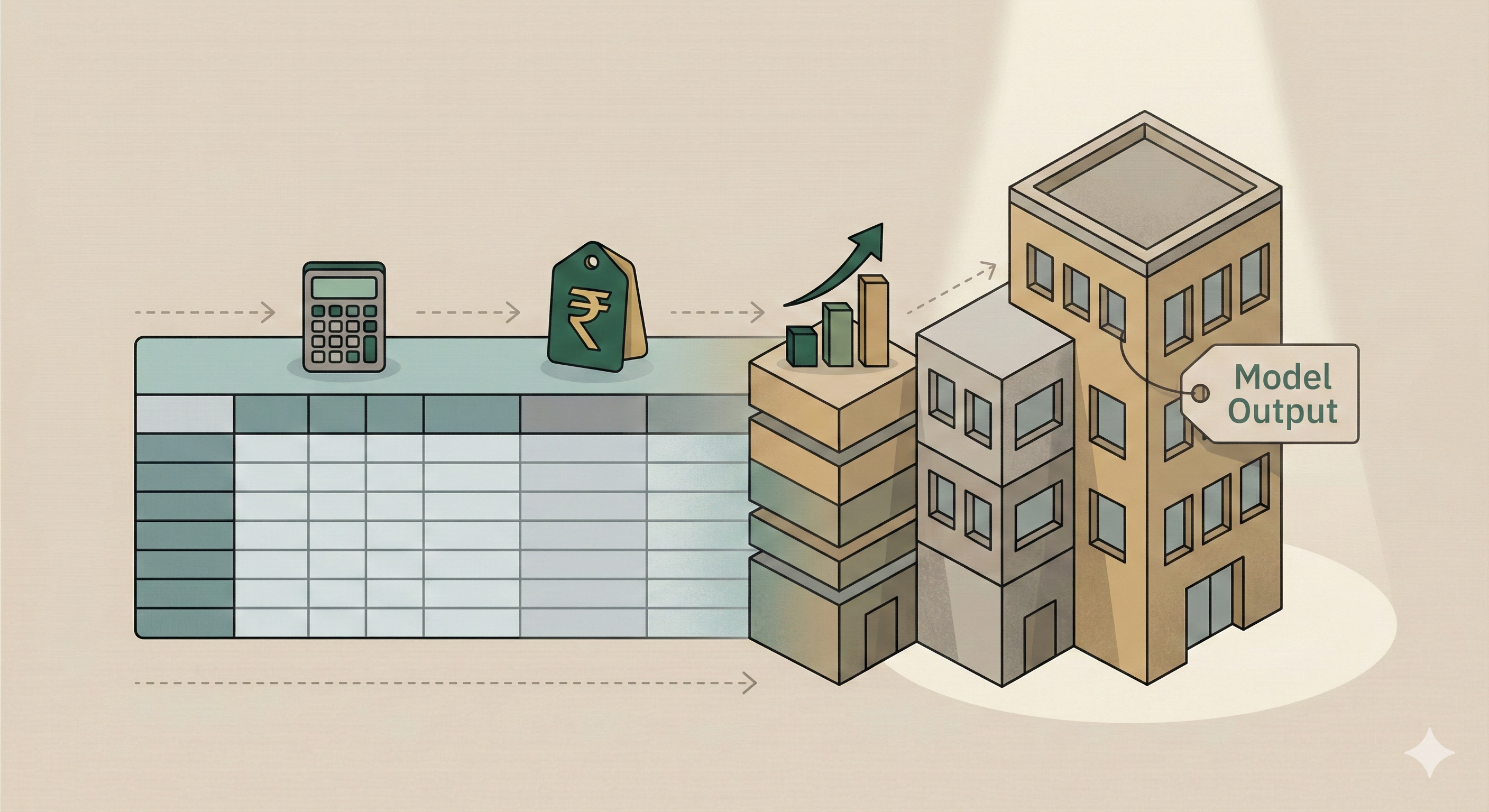
Why Real Estate Portfolio Diversification Matters for Long-Term Stability
Building a well-balanced real estate portfolio is essential for investors seeking consistent returns, reduced volatility, and long-term value appreciation. A diversified portfolio helps spread risk across multiple asset classes, geographies, and investment structures, ensuring that market disruptions in one segment don’t drag down overall performance. In a rapidly evolving market like Bengaluru India’s leading proptech and investment hub—real estate portfolio diversification has become central to strategic wealth planning. As asset cycles shift and investor expectations grow more sophisticated, balancing residential, commercial, and industrial properties provides a more resilient foundation for both income and appreciation.
Building a Balanced Property Allocation Strategy for Modern Investors
A structured allocation strategy gives investors a roadmap for stable, risk-adjusted returns. One commonly recommended framework includes 40% residential, 30% commercial, 20% industrial, and 10% other alternative real estate assets such as co-living, warehousing, data centers, or REIT units. This allocation spreads exposure across different risk-return profiles, ensuring no single asset class dominates portfolio behaviour. Residential investments deliver long-term capital appreciation, commercial assets provide rental strength during economic expansion, and industrial properties offer high-yield opportunities backed by India’s booming logistics and manufacturing sectors. Following a proportional allocation approach also prevents investors from being swayed by short-term market hype.
Residential vs Commercial Investment: Understanding Return Profiles and Market Behaviour
Residential and commercial real estate behave differently across economic cycles, making them ideal complements in a diversified portfolio. Residential property typically offers 4–6% returns through a combination of rental income and appreciation. It remains resilient during downturns because housing demand remains relatively stable even when businesses slow hiring or reduce office space. Meanwhile, commercial real estate delivers 6–8% returns driven primarily by stronger rental yields and long-term leases from corporate tenants. Bengaluru’s Grade-A office segment especially in Outer Ring Road, Whitefield, and North Bengaluru often sees robust occupancy during expansion cycles. When combined, residential and commercial assets create a counter-cyclical balance that stabilizes portfolio performance.
The Role of Industrial Properties in High-Yield, Future-Focused Portfolios
Industrial real estate has emerged as one of India’s strongest-performing asset classes, offering 7–10% returns due to surging demand for warehousing, manufacturing units, and last-mile logistics. With Bengaluru’s expanding e-commerce ecosystem, strong industrial corridors, and proximity to Tamil Nadu and Andhra Pradesh industrial belts, this segment has become a significant driver of portfolio yield. Industrial assets provide steady cash flow because tenants often logistics operators or manufacturers invest heavily in fit-outs and prefer longer leases. Their operational stability and essential services nature make them less sensitive to economic fluctuations, offering a high-yield hedge within a diversified real estate investment mix.
Optimizing Geographic Distribution Across Metros and Tier II Cities
Another pillar of asset allocation in real estate is geographic diversification. Investors increasingly distribute assets across major metros such as Bengaluru, Mumbai, NCR, and Hyderabad, while adding exposure to Tier II cities like Pune, Coimbatore, Jaipur, and Vizag. Metros offer liquidity, corporate demand, and institutional-grade assets, while Tier II cities provide more attractive rental yields and faster appreciation due to infrastructure-led growth. This combination reduces concentration risk and allows investors to capture growth from emerging markets without sacrificing the stability that major cities provide. Geographic diversification also protects portfolios against region-specific disruptions like regulatory changes, supply influx, or employment shifts.
Mixed-Use Property Investment: Enhancing Income Stability Through Consolidation
Mixed-use developments have gained popularity among investors because they combine residential, commercial, and retail components within a single asset. These properties deliver multiple revenue streams, improved tenant retention, and higher footfall-driven rental income. For investors seeking consolidated income diversity, mixed-use projects offer an efficient way to capture the strengths of each asset class under one roof. Bengaluru’s integrated township and high-street retail developments demonstrate how mixed-use investments provide both stable cash flow and long-term appreciation. By blending different uses, these assets smooth out rental volatility and enhance overall portfolio stability.
How Proptech Platforms Empower Smarter Diversification Choices
With the rise of AI-driven analysis and digital asset intelligence, proptech platforms like Propzine are transforming how investors manage portfolio risk management and diversification strategies. Advanced tools compare performance across asset classes, generate risk-return heatmaps, monitor micro-market changes, and project future returns using machine learning. Investors can evaluate residential, commercial, and industrial options side by side using real-time Bengaluru market data. This automation reduces guesswork, enhances due diligence, and gives investors access to institutional-grade insights without technical complexity.
Final Perspective: Diversification Is the Foundation of a Future-Proof Portfolio
A well-diversified real estate portfolio is the strongest defence against economic volatility and market uncertainty. By balancing residential, commercial, and industrial properties supported by geographic spread and structural diversification investors achieve stable income, growth potential, and lower overall risk. As Bengaluru continues to lead India’s proptech transformation, data-driven diversification strategies will shape the next generation of intelligent real estate investing. For investors looking to create a stable, future-proof property portfolio, diversification is not just a recommendation it is a strategic necessity.